Paid Performance Creative
Key outcomes —
−30%
CPL ($250 → $200)
+CTR
click-through rate
2
platforms (Meta + LinkedIn)
Tooling used —
- LinkedIn Ads
- Meta Ads (Facebook & Instagram)
- In-house creative production
- Ad performance analytics
The challenge
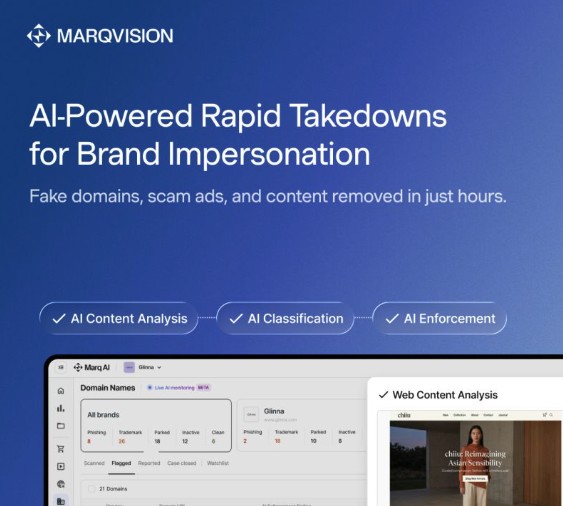
Across LinkedIn and Meta, paid performance had been sliding for several months. CPL had climbed from $200 to $250, 25% increase, while CTR was flat. The creative running across both platforms was product-focused: platform screenshots, AI feature callouts, UI walkthroughs. The kind of ads that show what the product does, rather than why a customer would care. The instinct in this situation is often to adjust targeting, increase budget, or bring in an agency to refresh the creative. I didn't think any of those were the right move. The ads weren't underperforming because of who was seeing them. They were underperforming because they weren't connecting to anything the audience actually felt.
Strategy & execution
Diagnose the real problem
The issue was creative and messaging, not targeting or budget. Product-first ads tell a viewer what a tool does. They don't land with buyers who need to feel the cost of the problem before they're ready to pay for the solution.
Reframe around consequence
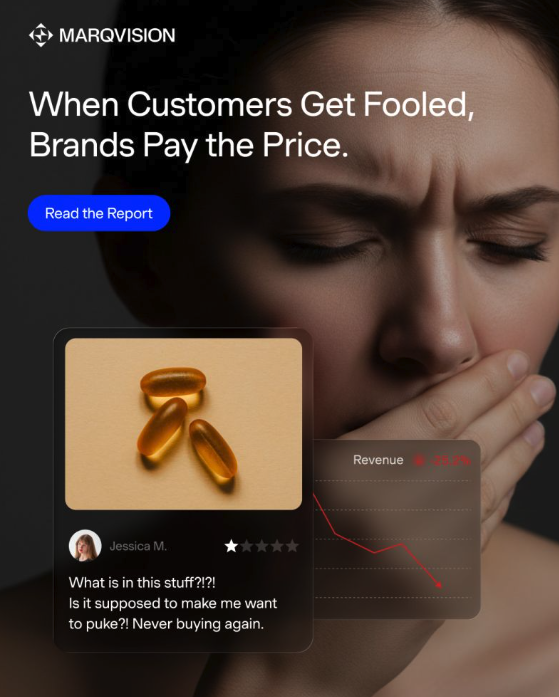
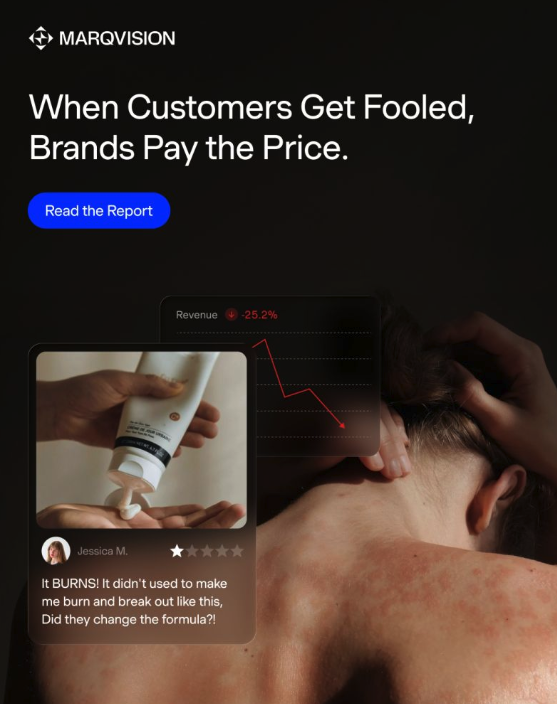
Shifted the entire creative treatment from product-focused to customer consequence-focused. Instead of showing the MarqVision platform, the new ads led with what happens to customers when counterfeits slip through: product harm, 1-star reviews, brand damage, revenue erosion. The reframe was deliberate. To make the problem visceral before introducing the solution.
Validate in-house first
Wrote, directed, and produced the new creative in-house to validate the concept before committing to an agency-led production cycle. This kept the test cheap and fast enough to get signal without a full budget commitment.
Head-to-head test
Ran the new treatment against the existing creative across both LinkedIn and Meta to isolate the impact of the messaging change rather than mixing variables.
Results
The new creative outperformed across every metric that mattered. CTR improved meaningfully across both platforms, and CPL dropped from $250 back to $200. More durably, it proved a repeatable principle: when buyers don't feel the problem in your creative, they don't click, regardless of how clearly you explain the solution. The customer-consequence frame became the baseline for all paid creative that followed, and the in-house-first validation model became the standard for testing new concepts before agency scale.